

Wood has been a silent companion to human life — from the first tools our ancestors shaped to the beautiful décor that now enhances our modern spaces. Wooden décor carries emotions, memories, and history in every grain.
Even today, people across the world prefer wooden décor for their homes and offices because it combines natural warmth, traditional touch, and timeless beauty.
Let’s dive into how this beautiful art began, how Jaipur became its artistic heart, and how Sanvi Craft continues to keep this century-old heritage alive with creativity and craftsmanship.
Table of Contents
1.The Beginning of Wooden Décor
2.How Wooden Décor Started in India
3.The Royal Touch of Jaipur Wood Art
4.Tools and Materials Used
5.The Journey from Traditional to Modern
6.Why People Love Wooden Décor
7.Wooden Décor for Homes and Offices
8.The Eco-Friendly Side of Wooden Art
9.Sanvi Craft – Keeping the Tradition Alive
10.Final Thoughts + Trending Line
1. The Beginning of Wooden Décor
The story of wooden décor begins thousands of years ago — long before paint or plastic existed.
In ancient civilizations, wood was one of the first materials humans worked with. It was used to build homes, boats, and later, art that reflected emotions, beliefs, and beauty.
People discovered that wood wasn’t just functional — it was expressive.
They carved deities, animals, and nature-inspired designs to decorate temples, homes, and royal chambers.
Each carving carried meaning — elephants for strength, owls for wisdom, and lotuses for purity.
Over time, artisans began perfecting the craft, adding intricate detailing, polishing, and painting — turning raw wood into living art.
2. How Wooden Décor Started in India
India has one of the richest wooden art traditions in the world.
Centuries ago, artisans across different regions began developing their own carving techniques.
Rajasthan became famous for royal motifs, elephants, and camels — inspired by palace life.
Gujarat developed floral and geometric patterns, often seen in havelis and temple doors.
Tamil Nadu and Kerala specialized in divine sculptures and temple pillars.
These craftsmen passed down their skills through generations.
In every Indian village, one could find artisans shaping stories out of wood — from tiny toys to grand temple doors.
Wooden décor was not just an art form — it was a part of Indian culture and lifestyle.
3. The Royal Touch of Jaipur Wood Art
The city of Jaipur, known as the Pink City, gave wooden décor a royal personality.
Under the rule of Rajput kings, art and architecture flourished. Craftsmen were invited from across India to build palaces, furniture, and decorative items for royal courts.
Jaipur’s wooden décor stands out for its:
Detailed carvings
Miniature hand painting
Use of bright Rajasthani colors
Blend of Mughal and Rajput styles
Even today, artisans in Jaipur and nearby towns like Sanganer and Kishangarh use traditional techniques — creating everything by hand, without machines.
Sanvi Craft proudly continues this royal legacy — producing hand-painted stools, wall frames, elephants, and owls that showcase the elegance of Jaipur’s heritage.
4. Tools and Materials Used
Wooden décor may look simple, but it requires great skill, patience, and precision.
Artisans use traditional tools like:
Chisels for shaping fine details
Mallets and hammers for carving
Files and sandpaper for smoothing
Natural paints, wax, and polish for finishing touches
The most commonly used woods are Sheesham (Indian Rosewood), Teak, and Mango wood — each chosen for durability and texture.
These woods are long-lasting, easy to carve, and develop a beautiful shine over time.
Every piece of wood is first cleaned, then sketched, carved, and finally hand-painted or polished — making each product one-of-a-kind.
5. The Journey from Traditional to Modern
Originally, wooden décor had spiritual and royal importance — seen mostly in temples, havelis, and royal homes.
But as time changed, people began bringing this art into their everyday lives.
Today, wooden décor has evolved into modern forms — from table décor and candle holders to painted wall panels and stools.
Modern homes love wooden décor because it fits every style — minimal, boho, classic, or contemporary.
The natural texture of wood balances metal and glass interiors, adding warmth and character.
So, whether it’s a cozy apartment or a luxury villa, wooden décor always brings that “touch of home.”
6. Why People Love Wooden Décor
Wood décor connects the heart and home. It’s not just an object — it’s emotion, story, and tradition combined.
Here’s why it’s loved by everyone:
Natural Look: Gives a warm, organic touch to your space.
Handmade Art: Every piece carries the artisan’s soul.
Eco-Friendly: Made from natural, renewable materials.
Spiritual Feel: Carved idols and symbols spread positivity.
Perfect Gift: Elegant, long-lasting, and meaningful.
A single handcrafted owl or Ganesha can bring charm and positive energy into any room.
7. Wooden Décor for Homes and Offices
Wooden décor isn’t limited to homes anymore — it’s loved in offices, cafés, hotels, and studios too.
At home:
A carved Ganesha near the entrance spreads peace.
A painted stool adds color to your living room.
A wooden wall frame becomes the highlight of your décor corner.
At work:
A wooden owl symbolizes wisdom — perfect for your desk.
A wooden elephant represents strength and good fortune.
Wooden décor adds life and positive energy to any space, while keeping the vibe calm and stylish.
8. The Eco-Friendly Side of Wooden Art
In a time when the world is moving toward sustainability, wooden décor stands strong as an eco-friendly choice.
Unlike plastic or synthetic materials, wood is natural, renewable, and biodegradable.
At Sanvi Craft, artisans often use reclaimed and leftover wood, reducing waste and protecting the environment.
Wooden products also have a longer life, meaning less disposal and more value.
When you buy wooden décor, you’re not just decorating — you’re supporting the planet and traditional craftsmanship.
9. Sanvi Craft – Keeping the Tradition Alive
Based in Mansarovar, Jaipur, Sanvi Craft is more than just a décor brand — it’s a movement to keep Indian artistry alive.
Each product is handmade by skilled artisans who have inherited this craft from their ancestors.
Whether it’s a hand-carved owl, a painted camel candle holder, or an elephant stool, every piece reflects hours of dedication, focus, and love.
Sanvi Craft believes in combining heritage with innovation — keeping the old techniques alive while adding modern design ideas.
By supporting Sanvi Craft, you’re not just buying décor — you’re empowering Indian artisans and preserving cultural history.
10. Final Thoughts + Trending Line
Wooden décor is timeless because it represents everything real — nature, art, and human touch.
No matter how modern our homes become, wooden art will always have a place — it balances technology with tradition and design with soul.
In every grain, there’s a story. In every carving, there’s devotion.
That’s what makes wooden décor not just a trend — but a tradition that lives forever.
“Bring the charm of nature and art together — with Sanvi Craft, where every wooden piece speaks the language of Jaipur.”
Tags:
Related articles
-
Aug 24 2026
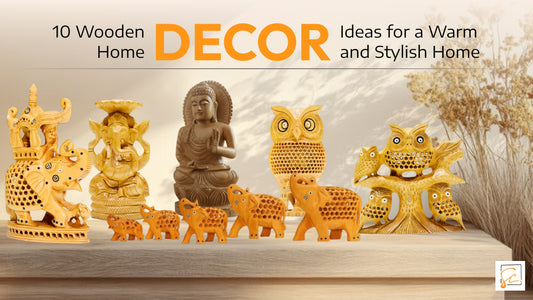
10 Wooden Home Decor Ideas for a Warm and Stylish Home

-
Aug 13 2026
Tote Bags Are the Trending Raksha Bandhan Gift This Year
-
Aug 10 2026